
Research & methods
Develop causal governance, Structural Intelligence, SGM and Future Engineering. Publish definitions, formalizations and methods that can be examined, compared and challenged.
Publications & Methods →DCGI develops Structural Intelligence as a research field and an institutional capability—connecting causal understanding, strategic decisions and accountable intervention.
The program connects three forms of work. Each contributes a different kind of evidence, challenge and practical value.
Develop causal governance, Structural Intelligence, SGM and Future Engineering. Publish definitions, formalizations and methods that can be examined, compared and challenged.
Publications & Methods →Translate the architecture into causal atlases, research experiments and decision demonstrations. Keep evidence, assumptions and model limits visible.
Inspect the applied work →Connect research to strategic projects, leadership briefings, professional education and institutional partnerships—around a defined decision and domain.
Ways to collaborate →The public program combines conceptual architecture with objects readers can inspect: models, experiments, benchmarks and the assumptions that support them.
See the research questions →An interactive experiment examining talent, chance and opportunity geometry. Compare the baseline with a structural extension and inspect how the outcomes change.
Open the experiment →A public research release with a reproducible causal benchmark, stress tests, evidence gates and application blueprints.
Inspect the release →Scientific review and domain expertise matter to the development of the field. DCGI welcomes collaboration around explicit questions, methods and decision contexts.
Bring your research or domain perspective →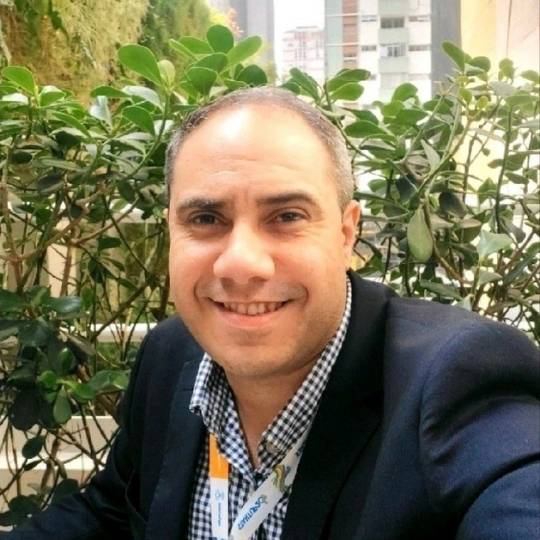
Founder & Research Director. His work connects technology, causal reasoning, complex systems and institutional power into Structural Intelligence systems for high-stakes decisions.
Background, books & affiliations →Engage through research and scientific review, strategic decision projects, Field Studies, briefings, speaking or institutional partnerships.
Each collaboration begins with a clear scope: the question, the evidence available, the intended contribution and the conditions for responsible use.